It often has negative connotations, but moving into a care home can have a remarkable impact on an individual’s health and well-being. Many people associate care homes with a loss of independence or a reduced quality of life, but, in reality, care homes offer a supportive environment designed to enhance physical, emotional, and social health. For older adults, the transition can mean improved safety, better access to healthcare, and a rejuvenated sense of community.
Physical Health and Safety
One of the primary benefits of moving into a care home is the immediate improvement in physical safety. Many seniors live with health conditions such as limited mobility, vision impairment, or chronic illnesses, which increase the risk of accidents or falls. In a care home, spaces are specifically designed to accommodate these needs. Handrails, ramps, and other adaptations, along with 24-hour staff availability, reduce the risk of falls and ensure that assistance is readily available in case of emergencies.
Care homes also support residents by providing regular meals tailored to dietary requirements, which can be a challenge for individuals living alone. Proper nutrition helps maintain energy levels, supports immune function, and lowers the risk of malnutrition-related complications, which are common among seniors who struggle with meal preparation or appetite loss. Care home staff also coordinate medical care, ensuring residents attend regular check-ups, receive medications on schedule, and have consistent health monitoring. This access to immediate and preventative healthcare can drastically improve health outcomes for residents.
Mental Health and Cognitive Support
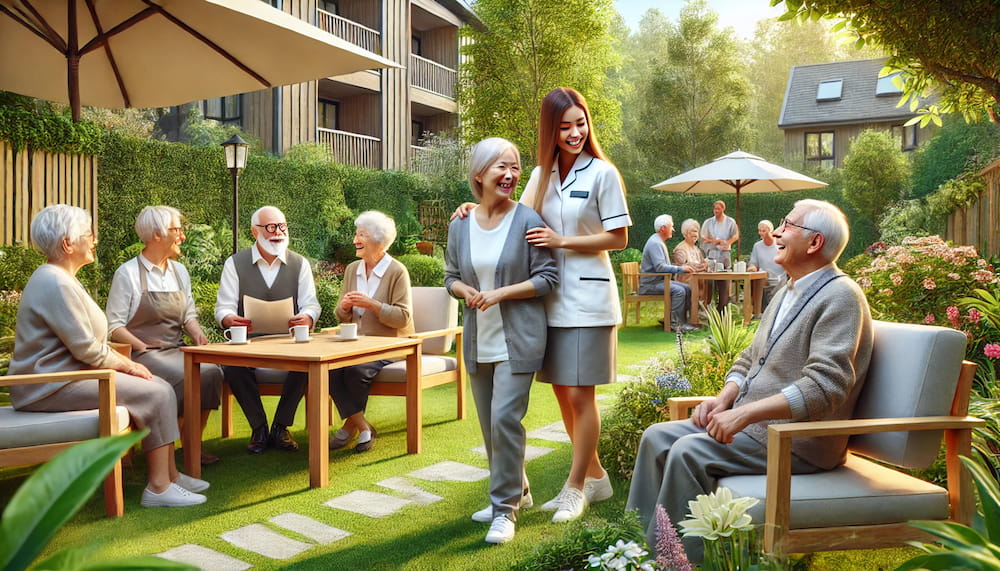
For many older adults, isolation can be a serious problem, leading to loneliness, depression, and cognitive decline. Social interaction and stimulation are crucial to maintaining mental health, and care homes like this care home in Bath provide an environment where residents are surrounded by people, reducing feelings of loneliness. With a range of organized activities, including art classes, games, and group outings, residents can engage with peers and participate in activities that stimulate the mind.
Furthermore, many care homes provide specialized memory care for those with dementia or Alzheimer’s. Trained staff offer cognitive therapies and activities designed to slow cognitive decline, making a significant difference in quality of life. Residents benefit from consistent routines, familiar faces, and personalized support tailored to their cognitive needs.
Emotional Well-being and Companionship
The social aspect of care homes is invaluable, offering residents the chance to forge friendships and enjoy companionship. In many cases, these connections significantly improve mood and emotional resilience. The supportive atmosphere of a care home, where staff are trained to provide empathetic and respectful care, helps residents feel valued and understood. This environment fosters a sense of belonging that can alleviate symptoms of anxiety and depression often experienced by those living alone.
Family members also experience peace of mind knowing their loved one is safe and supported. This reduction in family stress allows for higher-quality visits and more meaningful relationships between residents and their family members.
Access to Physical Activity and Rehabilitation
Exercise is crucial for maintaining mobility, flexibility, and overall health, yet many older adults lack safe ways to stay active at home. Care homes provide a variety of options for physical activity, from gentle exercise classes to supervised walks and mobility support. Many facilities also offer access to rehabilitation services like physiotherapy, which can help residents recover from injuries, surgery, or simply maintain strength.
Did you find this helpful? Check out our other helpful articles on our website.
Read Also
- Full-Arch Dental Tourism: Why UK Patients With Severe Bone Loss Are Looking Abroad
 Dental implants have become one of the fastest-growing segments of private dentistry. Within that market, one patient group behaves very differently from the rest: people who have been told they do not have enough upper jawbone for conventional implants. For these patients, the choice is rarely between one clinic and another. It is between a… Read more: Full-Arch Dental Tourism: Why UK Patients With Severe Bone Loss Are Looking Abroad
 - Levels of Mental Health Care and When to Seek SupportMental health care can range from occasional outpatient appointments to 24-hour hospital treatment. The appropriate level depends on safety, symptom severity, daily functioning, medical needs, available support, treatment history and personal preferences. A licensed clinician should assess these factors rather than relying on a symptom list alone. Need help now? In the United States, call… Read more: Levels of Mental Health Care and When to Seek Support
- How to Choose a Shilajit Brand Based on the ResearchIn a randomized trial published in the Journal of the International Society of Sports Nutrition in 2019, 63 active men took 250 mg of standardized shilajit, 500 mg, or a placebo every day for eight weeks, and the benefit for strength retention after a fatiguing workout appeared only at 500 mg. For anyone choosing a… Read more: How to Choose a Shilajit Brand Based on the Research
- How to Incorporate Relaxation into Your Busy ScheduleFinding balance when you have a packed daily agenda often feels out of reach. Between work duties, family obligations, and personal projects, personal rest usually gets pushed to the bottom of the list. Small, intentional shifts in daily habits can help restore calm without requiring hours of extra free time. Continue reading to discover everything… Read more: How to Incorporate Relaxation into Your Busy Schedule
- Red Light Therapy for Skin and Wellness: Meet Vital Red Light TherapyModern wellness is not always about complicated treatments or long routines. Many people are now looking for simple, convenient ways to support their skin, recovery, and overall wellness at home. One technology getting more attention is red light therapy. Red light therapy uses specific wavelengths of red and near-infrared light to support the body’s natural… Read more: Red Light Therapy for Skin and Wellness: Meet Vital Red Light Therapy
- Managing Shock Loss After a Hair Transplant: The Financial and Clinical Imperative of Post-Op CareIn the rapidly evolving landscape of private healthcare, executive leadership within cosmetic and restorative surgery clinics faces a dual challenge: maintaining strict clinical standards while maximizing patient lifetime value (LTV) and brand advocacy. As the global medical tourism and elective procedure markets expand, clinical outcome quality alone is no longer the sole differentiator for premium… Read more: Managing Shock Loss After a Hair Transplant: The Financial and Clinical Imperative of Post-Op Care
- Transform Your Skin Health: Premier Gluta IV Therapy in DubaiThis comprehensive guide explores how modern intravenous wellness treatments can help revitalize your complexion, boost immune function, and support overall cellular health. By incorporating modern IV therapy Dubai services into a routine health regimen, individuals can achieve direct nutrient absorption for optimal results. Selecting a customized gluta IV drip Dubai treatment provides targeted antioxidant defense,… Read more: Transform Your Skin Health: Premier Gluta IV Therapy in Dubai
- The Evolution of Dental Prosthetics: Innovation in Oral HealthDental replacements have improved a lot over time. Smiling, chewing, and speaking depend on having healthy teeth. When teeth break or go missing, today’s options can restore both function and confidence. Modern techniques make these replacements feel and look completely natural. Ancient Roots Of Tooth Replacement People have tried to replace lost teeth for thousands… Read more: The Evolution of Dental Prosthetics: Innovation in Oral Health